

There’s Nothing Wrong With Dating Apps. It’s You!
Online daters blame the apps for their failures, when in reality they are at fault.

Online dating apps are currently experiencing a major backlash. Profits have plummeted, and subscribers are leaving in droves, declaring that the apps are broken. Within our complaints we love to talk about these products in the abstract, as if they are sentient villains. “The apps have ruined dating;” “They’ve made everyone shallow;” “They’re addictive, toxic, gamified, dehumanizing.” But if you strip away the outrage for a second, the stark fact of the matter is — an app without people isn’t any of the aforementioned things. The trouble only starts when millions of us humans show up with our insecurities, half-truths, bad manners and low effort. We, and not the apps, are to blame.
In truth, what we hate most about dating apps isn’t code — it’s conduct.
Ghosting, breadcrumbing, lying about age or height, swiping while in a relationship, never replying, talking about wanting something “real” and then never following through, filtering people out for racist reasons — none of this is baked into the software. Being lazy or putting very little into a profile was not shipped in the latest product update. We humans are responsible for all this — for bringing our offline messiness into a digital carousel that makes it infinitely more visible.
This is the part we conveniently skip when we complain about dating apps — our own responsibility for their dysfunction. If you are online dating right now, it’s worth asking yourself — am I part of the problem? Think about your own dating profile — is it actually designed to help a stranger efficiently make a decision about you — or is it conceived — consciously or subconsciously — to create confusion, deter interaction, feed narcissism, boost self-esteem or obscure truth?
If your profile consists of three pictures of you in sunglasses, ski goggles or hats, no bio, no prompts answered, and you expect warmth and vulnerability from strangers (in other words, maximum reward for minimum effort), then you are part of the problem. If you match, then disappear, you part of the problem. If you talk about wanting honesty, but then lie about your age, status or other details, you are part of the problem. And so on. It’s easy to blame “the apps”, but harder to admit that we’re importing our own faults and insecurities online, and then getting mad when they meet other people’s faults and insecurities.
Dating apps cannot change us — make us more honest, generous or brave. They can only illuminate who we are. If what we’re displaying is guarded, careless or dishonest, the experience will feel the same — no matter how clever or visually appealing the app’s interface. Of course, the apps themselves are not innocent in the melee. They are designed to nudge subscribers toward paid tiers, while the algorithms strictly direct and control how we interact. Over time they have also been criticised for being slow to act on key issues such as safety and abuse, which have further contributed to a toxic environment. Moreover, we should never lose sight of the basic fact that their objective is not to help us find a partner, but to make money from our desperate attempts.
But constraints aside, there is a big, user-controlled variable — the quality of our input. At best, an online dating profile should be treated like a résumé — your romantic résumé in fact — and as such it should be crafted with the same care and attention. Your work résumé will take you only to retirement, whereas your romantic résumé is potentially to find a partner for life — but very few take their dating profile this seriously. If they did, all dating apps would be more effective places to find a partner than they are currently.
So here’s the call — before you declare that you hate dating apps, ensure that you are not doing the same things that make you hate them. Ensure that your profile is the best it can be. Upload better quality photos of your unobscured face and body. Write a detailed bio with the same care as you would give your résumé summary. Transition yourself from apathy to proactivity. If enough of us actually did this we would both improve our own odds of finding our matches, while improving the overall experience for everyone else. Or, as the great Mahatma Gandhi once said, “If we could change ourselves, the tendencies in the world would also change.”
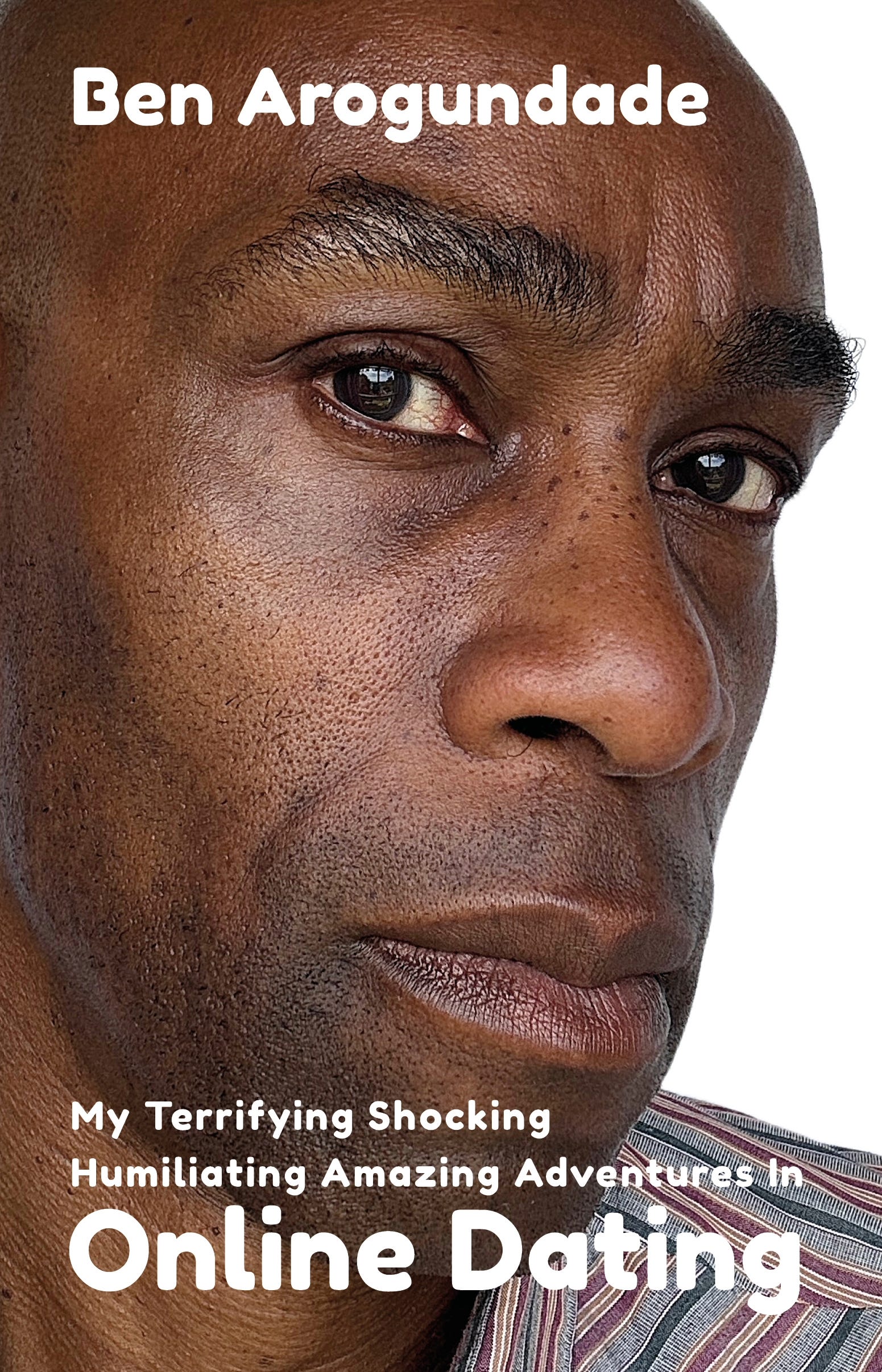
My bestselling online dating book, My Terrifying, Shocking, Humiliating, Amazing Adventures in Online Dating is available now at Amazon.